Smart home technology is no longer reserved for luxury homes and tech enthusiasts. Today, you can automate lighting, improve security, save energy, and control household devices with affordable gadgets that cost less than a typical dinner out. Thanks to improved Wi-Fi connectivity, Matter compatibility, and voice assistants, building a smart home on a budget has never been easier.
Why Start with Budget Smart Devices?
Budget smart home products offer many of the same features found in premium systems:
- Remote control through smartphone apps
- Voice control with Alexa, Google Assistant, or Siri
- Scheduling and automation
- Energy-saving features
- Enhanced home security
Many affordable devices now support the Matter standard, making them easier to integrate across different ecosystems.
1. Smart Plugs: The Best First Purchase
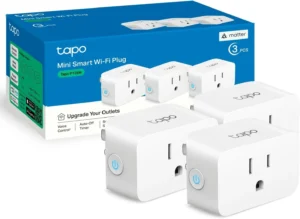
Recommended: TP-Link Tapo Tapo P125M
Smart plugs are often the most cost-effective way to get started with a smart home. They transform ordinary appliances into connected devices.
What you can automate:
- Lamps
- Fans
- Coffee makers
- Holiday lights
- Air purifiers
Why it’s great:
- Affordable pricing
- Energy monitoring
- Matter compatibility
- Works with major voice assistants
A four-pack of smart plugs can automate multiple devices for around the cost of a single premium smart gadget.
2. Smart Bulbs for Lighting Automation
Recommended: Govee Smart Bulbs
Smart bulbs are among the easiest ways to enhance convenience and ambiance. 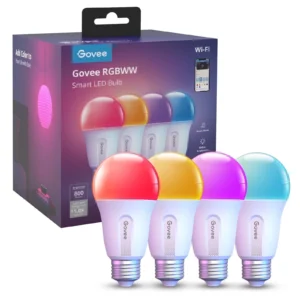
Features:
- Adjustable brightness
- Color-changing modes
- Scheduling
- Voice control
Budget-friendly options from Govee provide excellent value while supporting app and voice control. Tech reviewers continue to rank them among the best low-cost lighting solutions available.
Alternative:
Philips Hue
While more expensive, Philips Hue remains the gold standard for smart lighting and is worth considering if you plan to expand your setup later.
3. Smart Speakers: The Control Center
Recommended: Amazon Echo Pop
A smart speaker acts as the hub of a budget smart home. 
Benefits:
- Voice commands
- Smart device control
- Music and podcasts
- Automation routines
- Built-in Matter support
The Echo Pop is one of the most affordable ways to gain full voice-control capabilities and connect multiple smart devices through a single interface.
Alternative:
Google Nest Mini
A strong choice for users already invested in Google services such as Gmail, Google Calendar, and Google Home.
4. Budget Security Cameras
Recommended: TP-Link Tapo Tapo C120
Home security has become much more affordable. 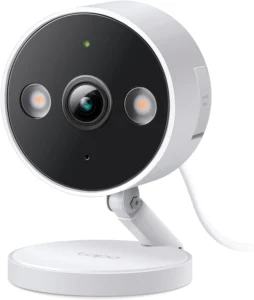
Key features:
- 2K video recording
- Local storage support
- Motion detection
- Weather resistance
- No mandatory cloud subscription
The Tapo C120 is frequently recommended as one of the best-value security cameras available.
Other Affordable Options:
- Reolink cameras
- Blink Outdoor cameras
- Aqara Camera Hub G3
These models offer strong performance without premium pricing.
5. Smart Doorbells
Smart doorbells provide video monitoring and visitor alerts directly to your phone. 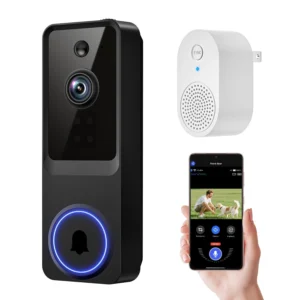
Advantages:
- Real-time notifications
- Two-way communication
- Remote monitoring
- Increased security
Recent budget-friendly options from Blink and Tapo have made smart doorbells far more accessible than in previous years.
6. Smart Sensors
Sensors are inexpensive but can dramatically increase automation possibilities. 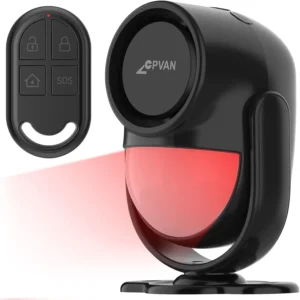
Popular sensor types:
- Motion sensors
- Door/window sensors
- Temperature sensors
- Presence sensors
Use them to:
- Turn the lights on automatically
- Receive security alerts
- Trigger routines based on room occupancy
Budget Zigbee and Matter-compatible sensors offer excellent value for growing smart homes.
Budget Smart Home Starter Kit
If you’re starting from scratch, consider this setup:
Device Estimated Cost
Smart Plug (4-Pack) $25–30
Echo Pop or Nest Mini $25–35
Smart Bulb (2-Pack) $15–25
Security Camera $30–50
Motion Sensor $10–20
Total: Approximately $100–160 for a capable beginner smart home.
Tips for Buying Smart Home Devices
- Choose products that support Matter whenever possible.
- Stick with reputable brands that regularly update their products.
- Avoid building everything at once—start small and expand gradually.
- Enable two-factor authentication on your smart home accounts.
- Consider devices with local storage to avoid subscription fees.
Conclusion
For most people, the best budget smart home setup begins with a smart plug, a smart speaker, and a few smart bulbs. These inexpensive devices deliver the greatest improvement in convenience and energy efficiency while creating a foundation for future expansion. As prices continue to fall and Matter adoption grows, affordable smart homes are becoming more practical, reliable, and easier to manage than ever before.